PVC vs Composite Decking: Which One Fits Your Deck?

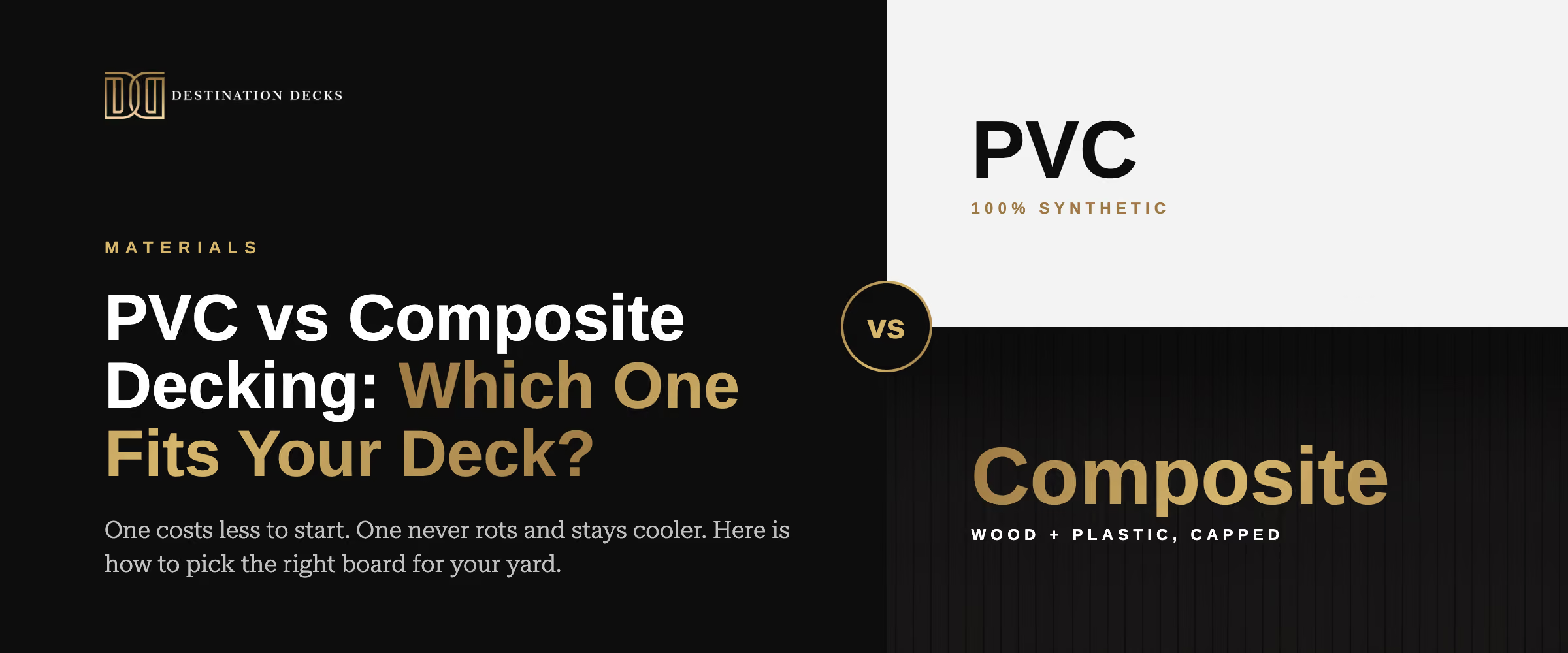
Many of our clients come to us with a variation of the same comment: "Cole, we are DONE staining the deck every year. It's messy and expensive." Super valid. But now you have to choose between PVC and composite.
You read online about the benefits of PVC (there are many) and then see the price. Next, you look at composite, but that becomes a he-said, she-said of if it is better than PVC or if it is needed at all.
Here's the truth. They are both excellent. Different materials, yes. But you can't go wrong with either. The right choice depends on you, your budget, and if where you are living is your "forever home."
What They're Made Of
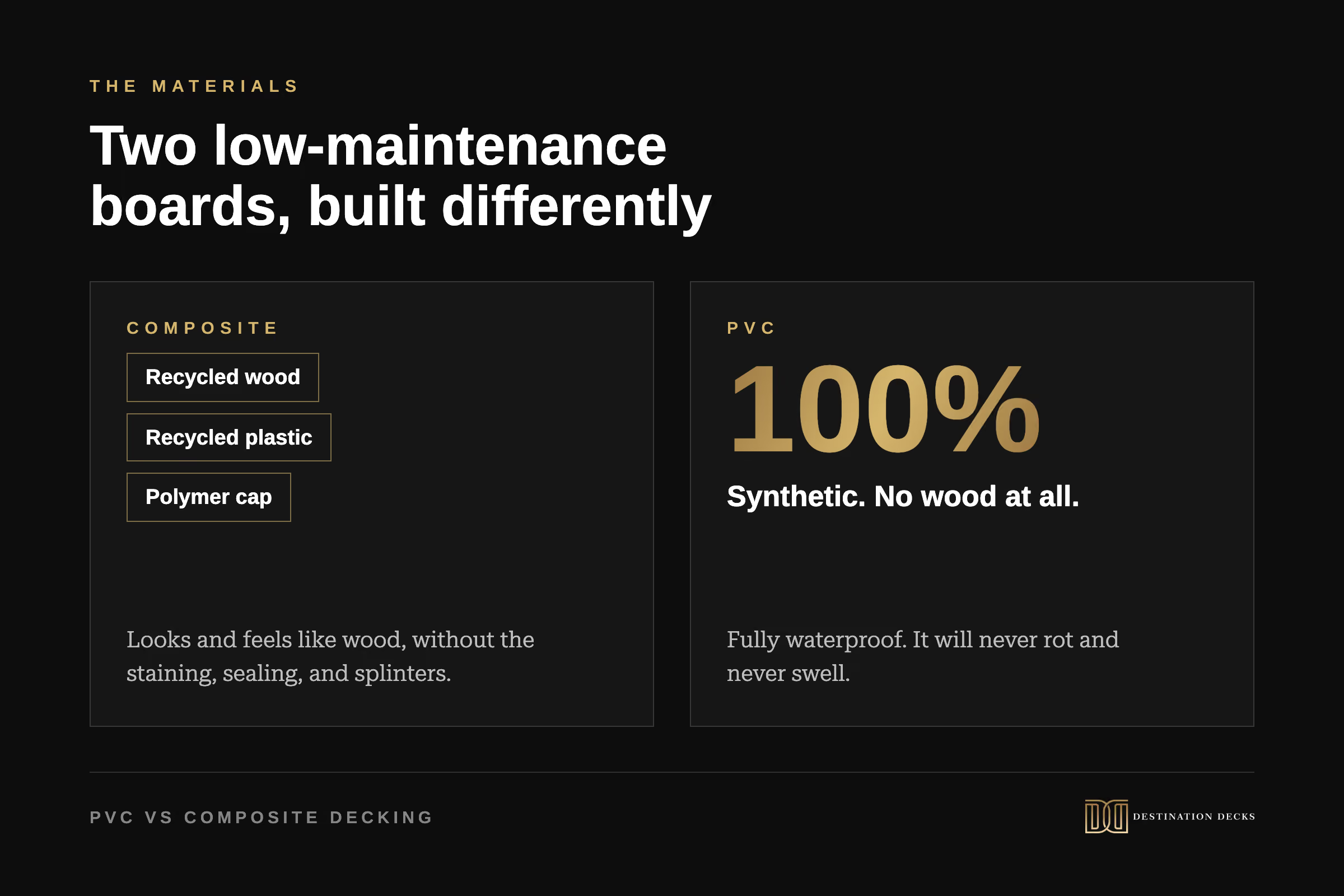
Composite is made from recycled wood and recycled plastic, wrapped in a protective polymer cap. It looks and feels like wood without the staining, sealing, and splinters.
PVC is 100% synthetic. There's no wood in it at all. That makes it fully waterproof. It will never rot and will never swell.
Why Some Composite Costs the Same as Cedar
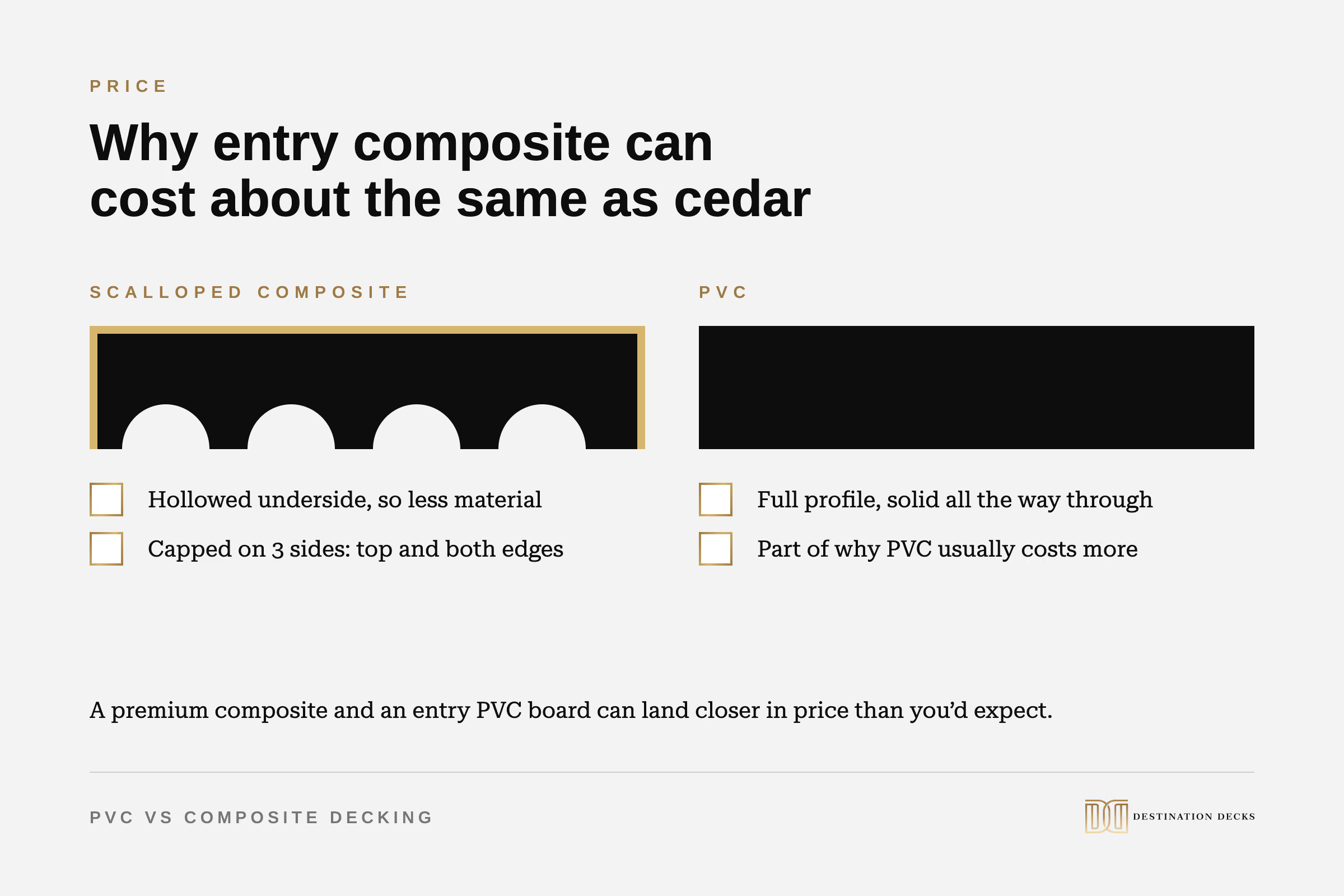
This surprises a lot of homeowners. TimberTech's entry-level composite boards from the Prime+ collection cost about the same as cedar.
Two things make that possible. First, these are scalloped boards (not like the potatoes).The underside is hollowed out, so there's less material in each board. Second, they're three-sided capped. The protective cap covers the top and both sides but not the bottom. Less material means a lower price. That's the real difference.
It's a big deal. You get the benefits of a low-maintenence deck for the cost of a cedar one. You will never spend another weekend snading and staining again.
PVC boards are all full profile, meaning solid all the way through. That's part of why PVC usually costs more. But it depends on what you're comparing. A premium composite and an entry PVC board can land closer in price than you'd expect.
Heat: Where PVC Pulls Ahead
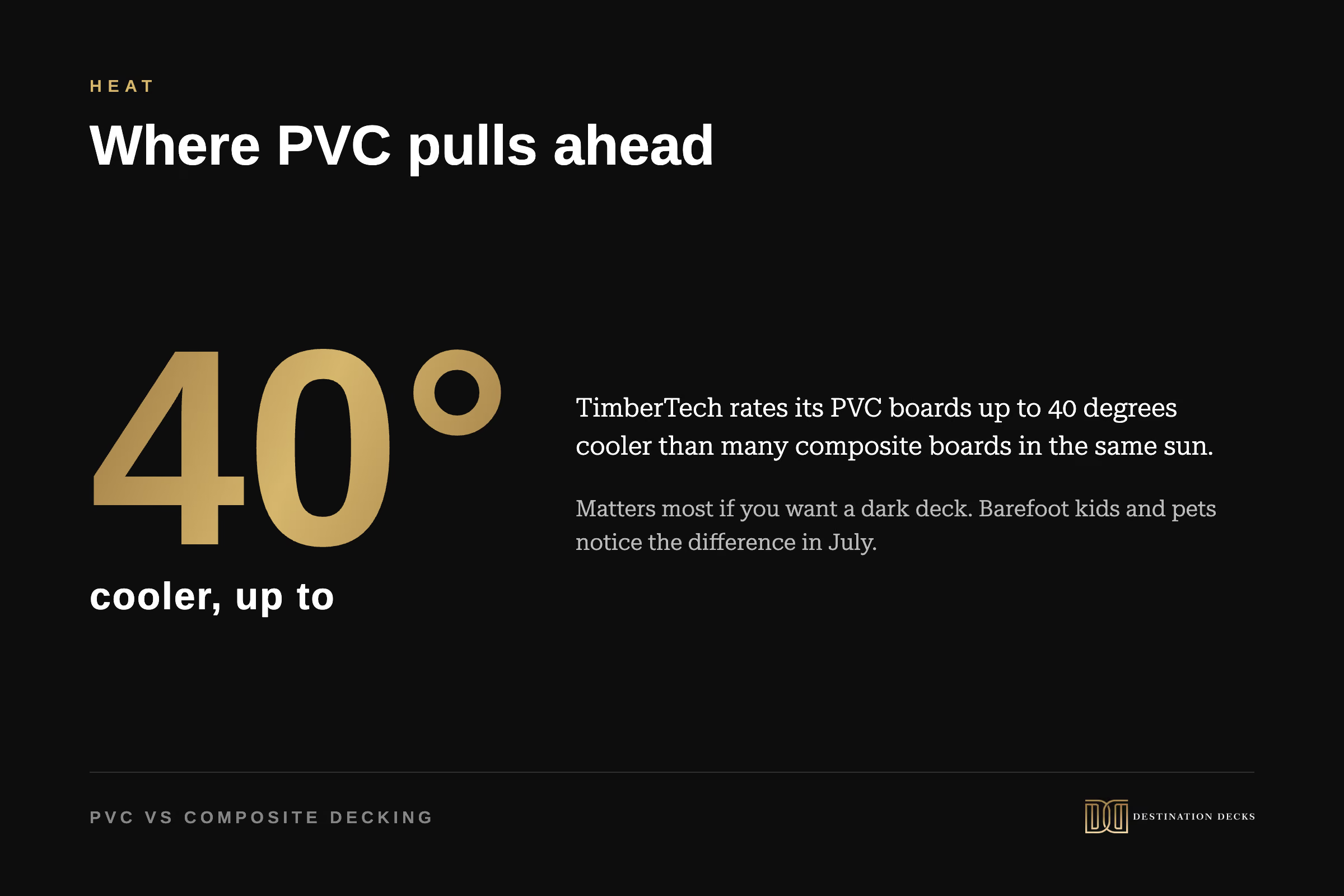
The real distinction comes with color. If you want a dark deck, you need to hear this. When you compare two similar dark brown boards under the same sun, one composite and one PVC, there is a signficant change in the amount of heat absorbed. The PVC gets rid of heat much better. TimberTech rates its PVC boards up to 30 degrees cooler than many composite boards under the same conditions. I've even seen boards that are 40 degrees cooler. Regardless, that is a significant change, especially in July.
Barefoot kids and your pets will notice the difference.
How to Choose
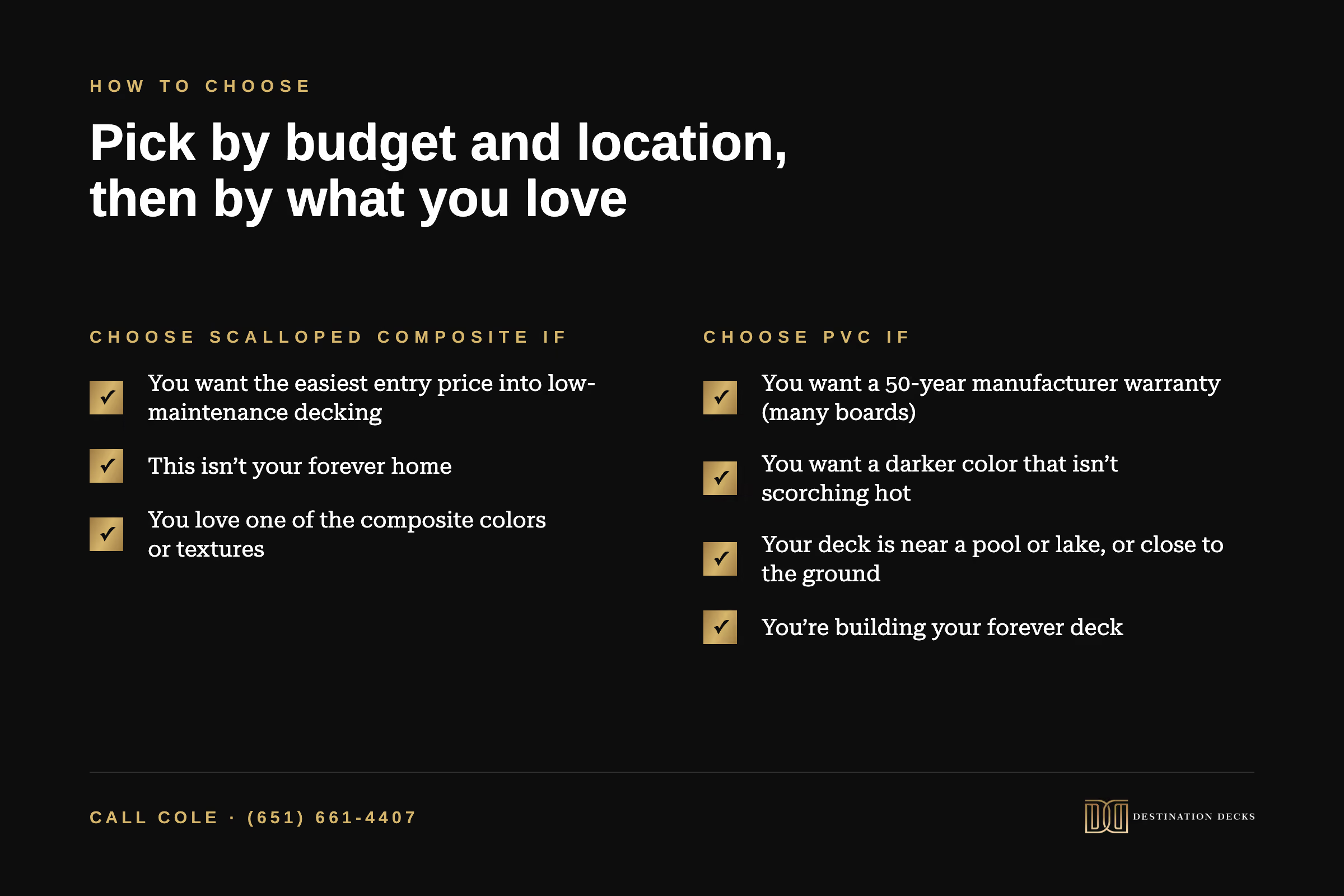
Choose scalloped composite if:
- You want the easiest entry price into low-maintenance decking
- This isn't your forever home and you may move in a few years
- You simply love one of the colors or textures in the composite lineup
Choose PVC if:
- You want a deck that truly lasts. Many PVC boards carry a 50-year manufacturer warranty
- You want a darker color and don't want it scorching hot
- Your deck is near a pool, near a lake, or built close to the ground, where full waterproofing matters most
- You're building your forever deck on your forever home
Pick What You'll Love Looking At
Here's the part most folks forget. You're only going to have to replace or build this deck one. Both PVC and composite outlast wood by years... decades even. Once you've narrowed down your selection based on budget and location, make sure you are choosing the one you'll love walking out on every morning for the next 15 to 20 years.
We install both every week as a TimberTech Platinum Preferred Contractor. We'll put samples of each in your hands, in your yard, in your light.
Call Cole at (651) 661-4407 or request a consultation.
For a wider look that includes wood, read which deck material lasts the longest.